The psychology of chance understanding the mental game behind gambling decisions
The Role of Chance in Gambling
Chance plays a pivotal role in gambling, as games of luck can significantly impact decision-making processes. Players often perceive chance as a control mechanism, believing their choices can influence outcomes. This psychological phenomenon is rooted in the human tendency to seek patterns, even in random events. Gamblers frequently overestimate their influence over the game, which can lead to riskier bets. For more insights into this, visit https://nonuk-casino-sites.com/.
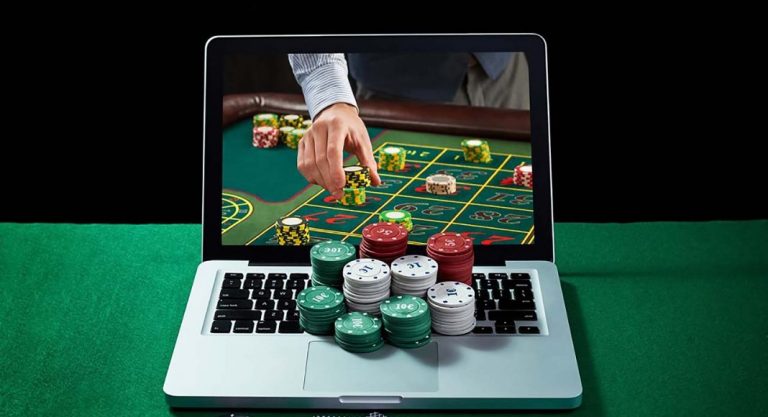
The randomness inherent in gambling creates a complex interplay between risk and reward. The excitement associated with the possibility of winning can cloud judgment, prompting players to make impulsive decisions. Understanding this relationship between chance and human psychology is essential in navigating the gambling landscape.
The Psychological Traps of Gambling
Many gamblers fall into psychological traps that can distort their perception of reality. One common trap is the “gambler’s fallacy,” where players believe past outcomes will affect future results. For instance, after a series of losses, a gambler might feel that a win is ‘due,’ leading them to stake more money. This fallacy is detrimental, as it can perpetuate a cycle of loss and desperation.
Additionally, cognitive biases like confirmation bias can affect decisions. Players tend to remember their wins and overlook their losses, reinforcing the belief that they have a winning strategy. These psychological barriers not only affect individual choices but can also influence group behavior in casinos and online gaming platforms.
The Impact of Environment on Gambling Behavior
The environment in which gambling occurs significantly influences decision-making. Offline casinos often use atmospheric elements like lighting, sound, and decor to create a thrilling experience, which can encourage prolonged play. The sensory stimulation may lead players to lose track of time and money, thereby increasing their betting amounts.
On the other hand, online gambling presents a unique environment where distractions can vary. While the convenience of online platforms offers flexibility, it can also lead to less mindful betting behaviors. Players may gamble from the comfort of their homes, but the lack of physical presence can diminish accountability, leading to irrational decisions.
Managing Emotions in Gambling
Emotions play a significant role in gambling behavior. The thrill of winning can trigger dopamine release, creating a euphoric experience that encourages further betting. Conversely, losses can evoke feelings of frustration and sadness, prompting gamblers to chase their losses with more aggressive betting strategies. This emotional rollercoaster can cloud judgment, leading players to make choices based on feelings rather than logic.
Understanding and managing emotions is crucial for responsible gambling. Techniques such as setting strict budgets, taking breaks, and seeking support can help individuals maintain a healthy relationship with gambling. Awareness of emotional triggers can also empower players to make more rational decisions, enhancing their overall experience.

Your Resource for Informed Gambling Decisions
For those interested in navigating the world of gambling, our website serves as a comprehensive resource. We provide valuable insights into both online and offline gambling, enabling players to make informed decisions. With expert reviews and detailed comparisons of various platforms, users can find the best gambling options suited to their preferences.
As gambling evolves, staying informed about psychological factors and strategies is essential. Our platform aims to equip players with the knowledge needed to approach gambling responsibly, ensuring a safe and enjoyable gaming experience. Whether you seek high stakes or casual play, we offer the tools to enhance your journey in the world of chance.
Leave a Reply